







Why Tea Culture Feels Like a Living Museum
Tea culture is both everyday comfort and a centuries-long conversation between land, craft, and ritual. Across Asia, Africa, and beyond, tea history and local customs shaped how people welcome guests, focus the mind, and mark time—morning, afternoon, and late-night reflection. Unlike many beverages that aim for uniformity, specialty tea celebrates variation: weather shifts, harvest timing, cultivar choices, and processing decisions can all change the final cup, which is why tea reviews and tea tasting notes matter.
A good tea website should do more than list products; it should guide tea recommendations with context. It should map the ideas behind the leaves—why one region prizes brisk black tea, another pursues floral oolong tea, and another chases deep aged sweetness in pu-erh and dark teas—while offering tea brewing guides that make those differences repeatable at home. In that spirit, this article highlights notable teas, explains what makes the best teas distinct, and introduces a tea hall of fame approach to recognizing excellence in top tea brands, blends, and tea-related content.
Foundations: How Tea Becomes So Many Styles
All true tea comes from the same plant species, Camellia sinensis, yet the range of styles is extraordinary across green tea, black tea, oolong tea, and white tea. The key is processing: withering, rolling, oxidation, firing, and sometimes aging or fermentation, which is why tea history often follows technique as much as geography. The result is a spectrum from bright and grassy to dark and earthy, and processing is the main driver of flavor identity, often more than the name on the tin—an essential lens for tea reviews.
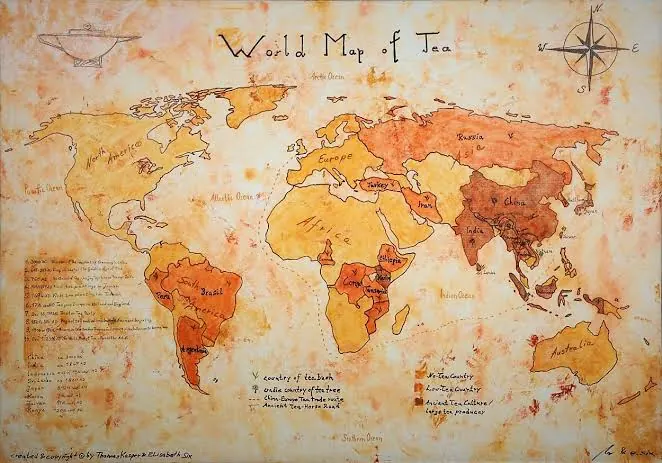
Notable Tea Categories and What to Look For
Each category has classic benchmarks—best teas that define the style—and modern interpretations that experiment with cultivar, roast level, or aging, especially in specialty tea and loose leaf tea. When tasting, pay attention to aroma, texture, aftertaste, and how the tea evolves over multiple infusions, recording tea tasting notes that you can compare across sessions. Great tea changes in the cup, revealing layers rather than a single note, which is exactly what tea awards and a tea hall of fame should reward.
Notable Teas Worth Knowing
Green Tea: Clarity and Freshness
Green tea is typically heated early to halt oxidation, preserving bright vegetal notes and a clean finish that shows clearly in careful tea tasting notes. Japanese styles often emphasize umami and sea-breeze aromatics, while many Chinese greens lean toward chestnut, orchid, or sweet corn, giving tea reviews plenty of nuance even within one category. Freshness matters for the best teas: store loose leaf tea carefully, avoid heat and light, and follow tea brewing guides that use cooler water to prevent bitterness.
Oolong: The Middle Path of Aroma and Depth
Oolong tea spans a wide range—from lightly oxidized, floral, and creamy to roasted, mineral, and cocoa-toned—making it a frequent standout in tea awards and tea hall of fame discussions. This category is famous for “high fragrance” cups and for teas that can handle many infusions, which is why tea brewing guides often highlight gongfu-style preparation for oolong. A well-made oolong balances lift and structure, offering perfume up front and a lingering sweetness in the finish that top tea brands aim to deliver consistently.
Black Tea: Comfort, Malt, and Spice
Fully oxidized black tea can be brisk and bright or rich and malty, and the best teas show clarity rather than harshness. Regional styles often show signatures—honeyed sweetness, baked fruit, cocoa, or a peppery snap—giving tea reviews a clear vocabulary for comparison. Black tea also anchors many beloved blends, performing well with milk or citrus while still rewarding plain tasting when loose leaf tea quality is high; balance beats intensity, and tea tasting notes should reflect completeness, not merely strength.
White Tea: Quiet Complexity
White tea is usually minimally processed, often emphasizing gentle sweetness, melon-like aromatics, and a soft texture that can be easy to miss without focused tea tasting notes. Some white teas age beautifully, gaining deeper honey and dried-fruit notes over time, which makes them compelling candidates for a tea hall of fame that values longevity and transformation. Because the profile can be subtle, tea brewing guides often recommend patient steeping and attention to mouthfeel and the cooling sensation in the aftertaste when evaluating the best teas.
Pu-erh and Dark Teas: Aging, Earth, and Sweetness
Pu-erh and other dark teas are known for transformation through time, a cornerstone of tea culture and tea history. Young versions may be brisk and aromatic, while aged versions can become smooth, woody, camphor-like, or date-sweet, and tea reviews should note whether the profile feels clean and layered rather than heavy. Brewing is part of the ritual—quick rinses, short infusions, and attentive pacing—and clean fermentation is a mark of mastery that tea awards and a tea hall of fame should recognize.
The Tea Hall of Fame: What We Celebrate
A tea hall of fame doesn’t need to declare one universal winner among the best teas. Instead, it recognizes excellence by category and contribution—leaf quality, consistency, transparency, innovation, and education—so drinkers can navigate tea recommendations with confidence. The goal is to spotlight top tea brands and standout blends while honoring the people and practices that elevate tea culture through trustworthy tea reviews and practical tea brewing guides.
Hall of Fame Categories
- Iconic Origin Teas: single-region teas that define a style and set quality expectations.
- Legendary Blends: balanced recipes where base tea and botanicals complement rather than compete.
- Craft Producers: small makers with careful sourcing, clean processing, and seasonal releases.
- Education and Tasting Guides: clear, accurate content that helps people brew and taste with confidence.
- Everyday Champions: accessible teas with outstanding value and consistent quality.
Hall of Fame Scorecard: A Practical Comparison Table
Use the table below as a simple framework for evaluating teas and top tea brands in a tea hall of fame mindset. It focuses on traits that matter to both beginners and experienced drinkers: clarity, aroma, sourcing ethics, and how well a tea performs across multiple brews, which are common criteria in tea awards. Pair it with tea tasting notes and tea reviews so your comparisons stay consistent across green tea, black tea, oolong tea, and herbal tea alternatives.
| Tea Style | Signature Notes | Best Brewing Range | Hall of Fame Signals |
|---|---|---|---|
| Green | Grassy, nutty, umami, floral | Lower temperature, shorter steeps | Fresh harvest info, vibrant aroma, no harsh bitterness |
| Oolong | Orchid, cream, stone fruit, roast | Multiple infusions, moderate to hot water | Layered evolution, strong aroma, clean finish |
| Black | Malt, honey, cocoa, dried fruit | Hot water, moderate steeps | Brisk but not astringent, sweetness in aftertaste |
| White | Melon, hay, honey, soft florals | Gentle heat, longer steeps | Silky texture, subtle complexity, ages gracefully |
| Pu-erh / Dark | Wood, dates, earth, camphor | Rinse + short steeps, many rounds | Clean fermentation, smooth body, stable flavor arc |
How to Taste Like a Hall of Fame Judge
You don’t need special gear to evaluate tea well, but you do need consistency—the backbone of credible tea reviews. Use the same water when possible, measure loose leaf tea by weight or a repeatable scoop, and take tea tasting notes across infusions so you can compare the best teas fairly. Smell the dry leaf, then the warmed leaf, then the empty cup, and notice how sweetness appears in the finish and whether the tea leaves your mouth refreshed or fatigued, as many tea awards panels do.
Also consider the human side that separates top tea brands from the rest: transparency about origin, fair pricing for farmers, and honest descriptions that match the brewed cup. A tea brand deserves tea hall of fame recognition when it respects both craft and customer, and when its tea recommendations and labeling help drinkers brew accurately using reliable tea brewing guides. Trust is part of taste, because consistent sourcing and accurate naming protect the integrity of tea culture.
Building Your Personal Tea Hall of Fame
Start with one representative loose leaf tea from each major category—green tea, black tea, oolong tea, white tea, and a dark tea—then refine your tea recommendations based on what you love: floral aromatics, roasted depth, brisk breakfast cups, or aged sweetness. Keep a small rotation rather than hoarding, and store tea away from light, heat, moisture, and strong odors so your tea tasting notes reflect the tea itself, not storage damage. Over time, your preferences will become clearer—and so will your ability to spot quality quickly when reading tea reviews or comparing tea awards winners.
Tea culture is not about chasing rarity for its own sake; it is about attention to leaf, water, time, and the people behind the harvest. When you recognize a tea that is clean, expressive, and true to its style—whether a classic black tea, a vivid green tea, a fragrant oolong, or a gracefully aged dark tea—you’re applying the same standards a tea hall of fame should celebrate. That mindset turns everyday brewing into informed appreciation, one mindful cup at a time.